
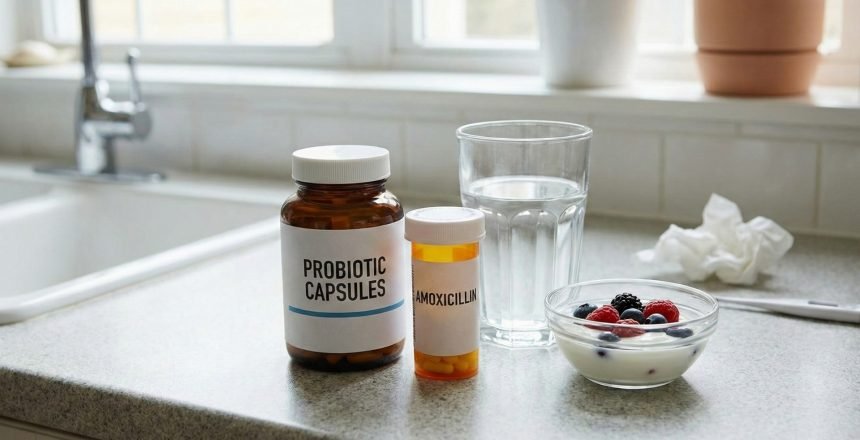
The use of probiotics during and after antibiotic treatment has become an increasingly popular practice in recent years. Pharmacies, supplement stores, and online advertisements promote these products as an essential solution to counteract the negative effects of antibiotics on gut health. But what does the science really say? Are probiotics a legitimate evidence-based aid, or simply another overhyped wellness product?
Understanding the Problem: Antibiotics and the Microbiome
To understand the potential of probiotics, we must first appreciate the problem they attempt to solve. The human gut houses a complex ecosystem of trillions of microorganisms collectively known as the gut microbiome. This ecosystem isn’t simply a passive group of inhabitants; it plays fundamental roles in digestion, vitamin production, metabolism, immune function, and protection against pathogens.
Antibiotics, by design, are broad-spectrum antimicrobials that don’t discriminate between pathogenic and beneficial bacteria. When we take antibiotics to eliminate an infection, we inevitably also destroy a significant portion of our beneficial gut bacteria. This alteration of microbial balance can have both immediate and long-term consequences.
Short-term consequences include antibiotic-associated diarrhea, which affects between 5% and 35% of people taking these medications. Symptoms can range from mild discomfort to severe diarrhea that significantly interferes with daily life. In serious cases, microbiome disruption can allow pathogenic bacteria like Clostridioides difficile to proliferate, causing potentially dangerous infections.
The mechanism is straightforward: when antibiotics deplete the normal protective bacterial populations, opportunistic pathogens can colonize the gut more easily. C. difficile, in particular, produces toxins that damage the intestinal lining, leading to inflammation, diarrhea, and in severe cases, life-threatening complications like toxic megacolon or intestinal perforation.
Long-term consequences are the subject of active research. Emerging studies suggest that gut microbiome alterations can persist for months or even years after a course of antibiotics, potentially contributing to problems like irritable bowel syndrome, allergies, obesity, and immune disorders.
Research has shown that antibiotic exposure in early childhood, when the microbiome is still developing, may have particularly significant long-term effects. Some studies have associated childhood antibiotic use with increased risk of asthma, allergic diseases, inflammatory bowel disease, and even metabolic conditions, though causality hasn’t been definitively established.
The microbiome performs numerous functions beyond simple digestion. It produces short-chain fatty acids that nourish colon cells and regulate inflammation, synthesizes certain vitamins like vitamin K and B vitamins, trains the immune system to distinguish between harmless and harmful substances, maintains the intestinal barrier integrity, and produces neurotransmitters that may influence mood and cognition.
When antibiotics disrupt this ecosystem, all these functions can be compromised. The extent of disruption depends on factors including the specific antibiotic used, the dose and duration of therapy, the baseline diversity and resilience of the individual’s microbiome, and concurrent factors like diet and stress.
What Exactly Are Probiotics?
Probiotics are live microorganisms that, when administered in adequate amounts, confer a health benefit to the host. This definition, established by international health organizations, is important because it establishes specific criteria: probiotics must be alive, in sufficient quantities, and have demonstrated benefits.
The most commonly used probiotics belong to bacterial genera such as Lactobacillus, Bifidobacterium, Streptococcus, and Saccharomyces (a yeast). Different strains within these genera can have distinct effects, so strain specificity is crucial when evaluating efficacy.
The nomenclature matters. A probiotic should be identified by genus, species, and strain. For example, “Lactobacillus rhamnosus GG” specifies the genus (Lactobacillus), species (rhamnosus), and strain (GG). Different strains of the same species can have dramatically different properties and health effects.
Probiotics are available in multiple forms: supplements in capsules or tablets, fermented foods like yogurt, kefir, sauerkraut, and kimchi, and probiotic beverages. The concentration of live microorganisms is measured in colony-forming units or CFUs, and effective products typically contain billions of CFUs.
Not all products labeled “probiotic” contain viable organisms or sufficient quantities to exert health effects. Quality control varies widely among manufacturers, and studies have found that some commercial products don’t contain the organisms listed on the label or don’t contain them in viable form.
The viability of probiotic organisms can be affected by manufacturing processes, storage conditions, moisture, temperature, and the acidity of the delivery vehicle. Many probiotics require refrigeration to maintain viability, though some are formulated to be shelf-stable.
The Scientific Evidence: What Do Studies Show?
Research on probiotics and antibiotics has produced mixed but generally promising results, especially for the prevention of antibiotic-associated diarrhea.
Multiple systematic reviews and meta-analyses, which represent the highest level of scientific evidence by combining data from numerous studies, have examined this question. A particularly influential meta-analysis that included data from more than 8,000 patients found that probiotics reduce the risk of antibiotic-associated diarrhea by approximately 42%.
A Cochrane review, considered a gold standard in evidence synthesis, analyzed 23 randomized controlled trials with over 4,000 participants and concluded that probiotics are both safe and effective for preventing antibiotic-associated diarrhea in children and adults.
The most studied probiotics with the strongest evidence of benefit include Lactobacillus rhamnosus GG, Saccharomyces boulardii, and certain strains of Lactobacillus casei. It’s crucial to emphasize that not all probiotics are equally effective; strain specificity matters significantly.
Lactobacillus rhamnosus GG (LGG) is one of the most extensively researched probiotic strains. Multiple randomized controlled trials have demonstrated its efficacy in reducing antibiotic-associated diarrhea. The mechanism appears to involve enhanced barrier function, competitive exclusion of pathogens, and immunomodulatory effects.
Saccharomyces boulardii, a beneficial yeast rather than a bacterium, has several advantages. Being a yeast, it isn’t affected by antibacterial antibiotics, allowing it to function throughout antibiotic therapy. It produces proteases that neutralize toxins from pathogens like C. difficile and has been shown to reduce the risk of C. difficile-associated diarrhea.
For the prevention of Clostridioides difficile infections, the evidence is more varied but generally positive. Some studies show that certain probiotics can reduce the risk of this serious infection, though the magnitude of benefit varies between studies and probiotic strains.
A meta-analysis specifically examining C. difficile prevention found that probiotics reduced the risk of C. difficile infection by about 60%, with the strongest effects seen in trials using multiple probiotic strains and higher doses. However, other analyses have found more modest effects or no significant benefit, highlighting the heterogeneity of probiotic products and study designs.
However, science also reveals important limitations. Probiotics don’t completely prevent antibiotic-induced microbiome disruption. Even when taking probiotics, the microbiome experiences significant changes during antibiotic treatment. Probiotics may help alleviate symptoms and potentially accelerate recovery, but they’re not a magic solution that perfectly preserves the original intestinal ecosystem.
Some research suggests that probiotics might actually delay microbiome recovery in certain circumstances. A 2018 study published in Cell found that while probiotics helped reduce antibiotic-associated symptoms, they also delayed the natural reconstitution of the native microbiome compared to individuals who received no intervention. The mechanisms behind this are unclear but may involve competitive exclusion, where probiotic organisms occupy niches and prevent colonization by native species.
This finding has generated considerable debate and highlights the complexity of microbiome ecology. It suggests that the relationship between probiotics, antibiotics, and microbiome recovery is more nuanced than simple supplementation strategies acknowledge.
Mechanisms of Action: How Do Probiotics Work?
Probiotics exert their beneficial effects through multiple mechanisms that scientists continue to investigate.
First, they provide direct competition with pathogens for nutrients and adhesion sites on the intestinal wall. By occupying ecological niches, probiotics can make it difficult for harmful bacteria to establish themselves and cause problems. This competitive exclusion is particularly important during antibiotic therapy when protective bacterial populations are depleted.
Second, many probiotic strains produce natural antimicrobial substances such as organic acids, hydrogen peroxide, and bacteriocins that inhibit the growth of pathogenic bacteria without the broad-spectrum effects of synthetic antibiotics. Lactic acid bacteria, for instance, lower intestinal pH through lactate production, creating an environment inhospitable to many pathogens.
Third, probiotics modulate immune response. They interact with immune cells in the intestinal lining, influencing the production of cytokines and other mediators that regulate inflammation and immune function. Specific effects include enhancing the production of secretory IgA (an antibody that protects mucosal surfaces), regulating T-cell responses, and modulating inflammatory cytokine production.
Fourth, they help maintain the integrity of the intestinal barrier, strengthening the tight junctions between cells lining the intestine and reducing intestinal permeability or “leaky gut,” which can contribute to systemic inflammation. Probiotics produce metabolites like short-chain fatty acids that nourish colonocytes (cells lining the colon) and support barrier function.
Fifth, probiotics can interfere with pathogen virulence mechanisms. For example, Saccharomyces boulardii produces proteases that degrade toxin receptors on intestinal cells, preventing toxin binding. Some Lactobacillus strains interfere with quorum sensing systems that pathogens use to coordinate virulence factor production.
Sixth, probiotics may influence the gut-brain axis, the bidirectional communication system between the gut and the central nervous system. Some probiotic strains produce or influence the production of neurotransmitters like serotonin, GABA, and dopamine, potentially affecting mood, stress response, and even cognitive function, though this research is still in early stages.
Practical Considerations: How to Use Probiotics with Antibiotics
If you decide to use probiotics during antibiotic treatment, several practical considerations can maximize their potential benefits.
Timing of administration is important. It’s generally recommended to take probiotics at least two hours before or after the antibiotic dose. This reduces the likelihood of the antibiotic immediately killing the probiotic bacteria before they can exert their effects. However, some experts argue that even if probiotics are partially destroyed by antibiotics, sufficient numbers survive to provide benefit.
The optimal timing remains debated. Some clinicians recommend taking probiotics midway between antibiotic doses to maximize the time separation. For example, if antibiotics are taken at 8 AM and 8 PM, probiotics might be taken at 2 PM.
Dosage matters. Effective products typically contain at least 1 to 10 billion CFUs per dose. Products with higher concentrations aren’t necessarily better, but it’s important to ensure the product contains sufficient amounts of live microorganisms.
Duration of use is also relevant. Probiotics should be taken throughout the entire course of antibiotic treatment and ideally continue for one to two weeks after completing antibiotics to help with microbiome recovery.
Some evidence suggests that the benefits of probiotics are most pronounced when they’re started early in antibiotic therapy or even before starting antibiotics if the course is planned (such as for surgery prophylaxis). Starting probiotics after symptoms of antibiotic-associated diarrhea have already developed may be less effective.
Product quality is crucial. Not all probiotic supplements are created equal. Factors such as storage, expiration date, and manufacturing process affect the viability of microorganisms. Look for products from reputable brands that specify exact strains and provide CFU guarantees until the expiration date, not just at the time of manufacture.
Third-party testing and certification can provide additional assurance of quality. Organizations like ConsumerLab, NSF International, and USP test supplements and verify label claims. Products bearing these certifications have been independently verified to contain what the label states.
What About Fermented Foods?
Fermented foods offer a natural alternative to probiotic supplements. Yogurt with live and active cultures, kefir, unpasteurized sauerkraut, kimchi, miso, and kombucha are dietary sources of probiotics.
Advantages of fermented foods include the fact that they provide a complete food matrix with additional nutrients beyond microorganisms, offer microbial diversity with multiple bacterial strains, and are economical and culturally traditional options for consuming probiotics.
Fermented foods also contain prebiotics (the fiber and compounds that feed beneficial bacteria) along with probiotics, creating a synbiotic effect that may enhance benefits. The fermentation process can also increase the bioavailability of certain nutrients and create beneficial metabolites.
However, disadvantages include variable and unpredictable concentrations of viable microorganisms, the possibility that pasteurization has killed live cultures in commercial products, and potentially insufficient quantities compared to concentrated supplements for specific therapeutic purposes.
For maintaining general gut health, regularly incorporating fermented foods into the diet is an excellent strategy. However, for specific prevention of antibiotic-associated diarrhea, probiotic supplements with studied strains and doses may be more reliable.
When choosing fermented foods, look for products that specify “live and active cultures” on the label. Pasteurized products won’t contain viable organisms. Traditional, unpasteurized fermented foods from ethnic markets often contain higher and more diverse microbial populations than mass-produced commercial versions.
Safety and Precautions
Probiotics are generally considered safe for healthy individuals, with side effects limited to mild symptoms like gas or bloating in some individuals.
However, there are situations where caution is required. People with severely compromised immune systems, patients with central venous catheters or permanent intravenous lines, individuals with damaged heart valves or structural heart disease, and those with acute pancreatitis should consult with their physician before using probiotics.
Rare cases of serious infections caused by the same bacteria or yeasts present in probiotics have occurred, though these events are extremely infrequent in immunocompetent individuals. Documented cases include Lactobacillus bacteremia and fungemia from Saccharomyces in severely immunocompromised patients or those with central venous catheters.
Premature infants represent another population requiring special consideration. While some research supports probiotic use in this population to prevent necrotizing enterocolitis, concerns about safety have been raised, particularly regarding bacterial translocation in infants with compromised intestinal barriers.
Patients with short bowel syndrome or those at risk for bacterial translocation should also use probiotics cautiously, as there’s theoretical concern that bacteria could move from the intestinal lumen into the bloodstream.
For the vast majority of healthy individuals taking probiotics during antibiotic therapy, the safety profile is excellent, with benefits likely outweighing risks. However, the principle of individualized medicine applies – what’s appropriate for one person may not be for another.
Alternatives and Complementary Strategies
Beyond probiotics, there are other strategies to support microbiome health during and after antibiotic treatment.
Prebiotics are fibers and compounds that feed beneficial bacteria. Foods rich in prebiotics include garlic, onions, leeks, asparagus, bananas, Jerusalem artichokes, and whole grains. Consuming a diet rich in these foods can help nourish the recovering microbiome.
Specific prebiotic compounds like inulin, fructooligosaccharides (FOS), and galactooligosaccharides (GOS) are available as supplements or added to certain foods. These selectively stimulate the growth and activity of beneficial bacteria like Bifidobacteria and Lactobacilli.
A generally diverse diet, rich in fruits, vegetables, legumes, and whole grains, provides the substrate for a diverse and resilient microbiome. Dietary diversity correlates with microbial diversity, which is generally associated with better health.
Limiting consumption of refined sugars and ultra-processed foods can also benefit the microbiome, as these foods tend to promote less beneficial bacteria. Diets high in saturated fats and low in fiber can shift the microbiome toward profiles associated with inflammation and metabolic dysfunction.
Polyphenol-rich foods like berries, green tea, dark chocolate, and red wine contain compounds that can positively influence the microbiome. Polyphenols serve as prebiotics and can increase populations of beneficial bacteria while inhibiting pathogenic species.
Adequate sleep, stress management, and regular physical activity also support microbiome health through mechanisms that aren’t completely understood but likely involve effects on gut motility, immune function, and the gut-brain axis.
Fecal microbiota transplantation (FMT) represents an emerging and highly effective intervention for recurrent C. difficile infections that don’t respond to antibiotics. While not typically used for simple antibiotic-associated dysbiosis, FMT demonstrates the importance of the microbiome and the potential for therapeutic manipulation.
The Verdict: Helpful or Hype?
So, are probiotics with antibiotics helpful or hype? The nuanced answer is: mostly helpful, with solid evidence for specific benefits, but not a panacea.
The evidence firmly supports the use of specific probiotic strains to reduce the risk of antibiotic-associated diarrhea. This benefit is clinically significant and supported by robust research. For this specific purpose, probiotics represent more than hype; they’re an evidence-based intervention.
The number needed to treat (NNT) for probiotics in preventing antibiotic-associated diarrhea is approximately 7-13, meaning that for every 7-13 people who take probiotics during antibiotic therapy, one case of diarrhea is prevented. This is considered a clinically meaningful effect size.
However, probiotics aren’t a magic solution that completely prevents microbiome disruption or guarantees a perfect return to the initial state. Their benefits are moderate and are best supported for specific outcomes like diarrhea prevention.
The evidence for preventing C. difficile infection is promising but less consistent than for general antibiotic-associated diarrhea. The heterogeneity of study designs, probiotic strains used, patient populations, and antibiotic regimens makes definitive conclusions challenging.
Evidence for other claimed benefits – such as enhanced immune function, improved mood, or prevention of chronic diseases – is much more preliminary. While some studies show promise, these applications require more rigorous research before they can be considered evidence-based.
The decision to use probiotics should be individualized, considering factors such as the type of antibiotic, the patient’s medical history, susceptibility to gastrointestinal side effects, and personal preferences. Consulting with a healthcare professional can help determine if probiotics are appropriate in your specific situation.
For individuals at higher risk of antibiotic-associated complications – such as the elderly, those with a history of C. difficile infection, or those taking broad-spectrum antibiotics for extended periods – the benefit-risk ratio may favor probiotic use more strongly.
Cost-effectiveness is another consideration. While probiotics aren’t prohibitively expensive, they do add to the cost of treatment. For healthcare systems and individuals, the cost must be weighed against the potential benefits and the costs of treating complications like antibiotic-associated diarrhea.
Future Directions
Research continues into optimizing probiotic use with antibiotics. Key questions include: Which specific strains or combinations are most effective for different antibiotics? What is the optimal dose and duration? When is the best time to start probiotics relative to antibiotic therapy? Who benefits most from probiotic supplementation?
Personalized approaches may eventually allow tailoring probiotic recommendations based on individual microbiome profiles, genetic factors, and specific clinical circumstances. Advances in microbiome sequencing and analysis may enable precision probiotic therapy.
Next-generation probiotics, including strains specifically engineered to resist antibiotics or to target particular pathogens, are in development. These might offer advantages over current probiotic formulations.
Research into postbiotics – the metabolites and compounds produced by probiotic bacteria rather than the bacteria themselves – represents another promising direction. These might provide similar benefits without the theoretical risks associated with administering live microorganisms.
Conclusion
Probiotics represent a reasonable, evidence-supported strategy to reduce the risk of antibiotic-associated diarrhea. They’re most beneficial when used with specific strains and adequate doses, started early in antibiotic therapy, and continued for one to two weeks after completion.
However, they’re not essential for everyone taking antibiotics, and they don’t completely prevent microbiome disruption. Their use should be considered in the context of individual risk factors, the specific antibiotic prescribed, and patient preferences.
For those who choose to use probiotics, selecting high-quality products with studied strains like Lactobacillus rhamnosus GG or Saccharomyces boulardii offers the best chance of benefit. Taking them at appropriate times relative to antibiotic doses and continuing them after antibiotic completion supports microbiome recovery.
Perhaps most importantly, probiotics should be viewed as one component of a comprehensive approach to gut health that includes a diverse, fiber-rich diet, adequate hydration, stress management, and judicious use of antibiotics only when truly necessary.
The relationship between antibiotics and the microbiome reminds us of the complexity of human biology and the importance of ecological thinking in medicine. Probiotics offer a tool – not a perfect one, but a useful one – for navigating the challenge of treating infections while minimizing collateral damage to our beneficial microbial partners.