
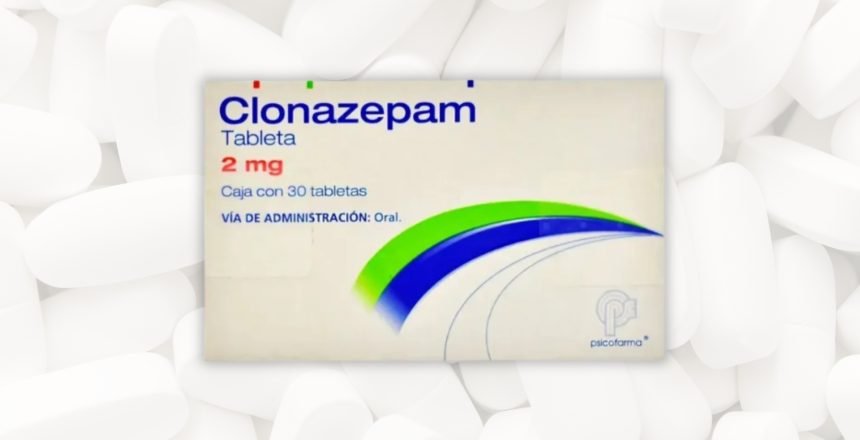
Discover what Clonazepam is, how it works, its uses, side effects, and safety tips for responsible use. Medical information for health awareness.
What Is Clonazepam?
Clonazepam is a prescription medication that belongs to the benzodiazepine family — drugs that act directly on the brain and central nervous system to produce a calming effect.
It works by enhancing the activity of GABA (gamma-aminobutyric acid), a neurotransmitter that naturally reduces excessive brain activity.
Originally developed to treat seizure disorders, Clonazepam is now also widely used for anxiety, panic attacks, and sleep disorders.
Common brand names:
- Klonopin (United States)
- Rivotril (Europe and Latin America)
- Generic Clonazepam tablets and oral solutions
How Clonazepam Works
Clonazepam increases the inhibitory signals in the brain by amplifying the effects of GABA.
This mechanism helps balance overactive neurons, resulting in effects such as:
- Anxiolytic (reduces anxiety)
- Sedative (induces calmness or sleepiness)
- Anticonvulsant (prevents seizures)
- Muscle relaxant
Because of these multiple actions, it is used in both neurology and psychiatry.
Medical Uses and Indications
1. Anxiety Disorders
Clonazepam is prescribed to relieve symptoms of generalized anxiety — such as excessive worry, restlessness, rapid heartbeat, or tension. It is often used when immediate relief is needed.
2. Panic Disorder
This medication is particularly effective in controlling panic attacks, helping patients manage sudden feelings of fear, chest tightness, or shortness of breath.
3. Epilepsy and Seizures
Clonazepam is a potent anticonvulsant used to treat specific types of seizures, such as absence seizures and myoclonic seizures, in both adults and children.
4. Sleep Problems
Because of its sedative effects, Clonazepam may be prescribed short-term for severe insomnia or anxiety-related sleep issues.
5. Muscle Spasms and Movement Disorders
It can help manage involuntary muscle movements or restless leg syndrome, thanks to its muscle-relaxing properties.
Dosage and Administration
Clonazepam comes in several forms:
- Tablets (0.25 mg, 0.5 mg, 1 mg, 2 mg)
- Orally disintegrating tablets (sublingual)
- Oral liquid solution
Typical dosages vary depending on the condition:
| Condition | Usual Starting Dose | Common Range |
| Anxiety or panic disorder | 0.25 mg twice daily | 0.5–2 mg/day |
| Seizures (adults) | 0.5 mg three times daily | up to 8 mg/day |
| Sleep problems | 0.25–0.5 mg at bedtime | short-term use only |
💡 Important: Never adjust or stop the dosage without medical guidance. Clonazepam must be tapered off gradually to avoid withdrawal symptoms.
Possible Side Effects
Clonazepam is effective but can cause side effects — especially during the first days of use or when combined with other substances.
Common Side Effects
- Drowsiness or fatigue
- Dizziness and poor coordination
- Difficulty concentrating or memory problems
- Dry mouth
- Blurred vision
- Muscle weakness
Serious Side Effects (Seek medical help immediately)
- Difficulty breathing or swallowing
- Severe mood changes or depression
- Hallucinations or confusion
- Jaundice (yellowing of skin or eyes)
- Signs of allergic reaction (rash, swelling, severe dizziness)
If you experience persistent or unusual symptoms, contact your doctor immediately.
Warnings and Precautions
1. Risk of Dependence
Long-term use of Clonazepam can lead to tolerance (needing higher doses for the same effect) and physical or psychological dependence.
For this reason, it’s generally prescribed for short periods (2–4 weeks).
2. Withdrawal Symptoms
Abruptly stopping Clonazepam may cause:
- Anxiety rebound
- Insomnia
- Tremors
- Sweating
- Seizures in severe cases
Always discontinue gradually under medical supervision.
3. Do Not Combine With:
- Alcohol – increases drowsiness and risk of respiratory depression
- Opioids – may cause coma or death
- Other sedatives or antihistamines – intensify sedative effects
- Certain antidepressants or antipsychotics – increase side effects
4. Avoid in Certain Conditions
- Pregnancy and breastfeeding
- Liver failure or severe respiratory issues
- History of substance abuse or depression
How Long Does Clonazepam Stay in Your System?
- Onset of effect: 20–60 minutes
- Peak concentration: 1–4 hours after ingestion
- Half-life: 18–50 hours (long-acting)
Because of its long half-life, Clonazepam can remain in the body for 2–3 days after the last dose.
Can You Take Clonazepam for Sleep?
While Clonazepam can help with sleep in anxious patients, it’s not a long-term solution for insomnia.
Chronic use can alter your sleep architecture, reducing deep sleep and causing dependency.
Safer alternatives include melatonin, valerian root, or behavioral sleep therapy.
Interactions With Other Medications
Clonazepam may interact with drugs that affect the central nervous system or the liver’s enzyme activity (CYP3A4).
Always tell your doctor if you are taking:
- Painkillers (codeine, morphine)
- Antidepressants (sertraline, fluoxetine)
- Anticonvulsants (phenytoin, valproate)
- Oral contraceptives
- Herbal supplements like kava, valerian, or St. John’s Wort
These interactions can enhance drowsiness or reduce effectiveness.
Alternatives to Clonazepam
If you need anxiety or panic management without benzodiazepines, doctors may recommend:
- SSRIs (sertraline, escitalopram, fluoxetine)
- Buspirone (non-sedative anxiolytic)
- Hydroxyzine for short-term relief
- Cognitive Behavioral Therapy (CBT) for long-term management
For epilepsy, other anticonvulsants like lamotrigine or levetiracetam may be safer for prolonged use.
Responsible Use and Safety Tips
- Use Clonazepam exactly as prescribed.
- Do not share your medication.
- Avoid alcohol, heavy machinery, or driving until you know how it affects you.
- Store safely away from children — it’s a controlled substance in most countries.
- Periodically review your treatment plan with your doctor.
FAQs About Clonazepam
- Is Clonazepam addictive?
Yes, long-term use can cause dependence. Use it short-term and follow your doctor’s tapering schedule. - Can I drink alcohol with Clonazepam?
No. Mixing both can cause dangerous sedation and respiratory failure. - Is it safe during pregnancy?
No. It can harm the unborn baby or cause withdrawal in newborns. - What if I miss a dose?
Take it as soon as you remember, unless it’s almost time for your next dose. Do not double up.
Clonazepam is a highly effective medication when used correctly — helping millions manage anxiety, panic attacks, and seizures.
However, its benefits come with serious responsibilities: it should be used short-term, monitored by a doctor, and never mixed with alcohol or opioids.
Used safely, Clonazepam can bring relief and stability. Misused, it can lead to dependency and harm.
Always follow your healthcare provider’s guidance and explore non-pharmacological treatments alongside medication.
Disclaimer
This article is for informational purposes only and does not replace medical advice.
Always consult a licensed healthcare professional before starting or changing any medication.