
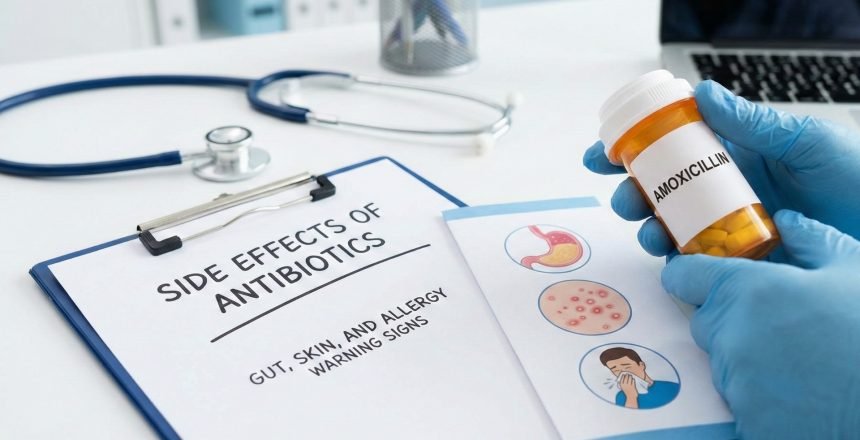
Antibiotics have revolutionized modern medicine, saving countless lives since their discovery. However, these powerful medications are not without side effects that can significantly affect patients’ quality of life. Understanding the warning signs related to the gut, skin, and allergic reactions is fundamental for the safe use of these drugs.
The Intestinal Impact: When Antibiotics Disrupt Balance
The digestive system houses trillions of microorganisms that make up the gut microbiome, a complex ecosystem essential for digestion, the immune system, and overall health. Antibiotics, designed to eliminate pathogenic bacteria, unfortunately don’t distinguish between “good” and “bad” bacteria, resulting in significant disruption of this delicate balance.
Antibiotic-associated diarrhea represents one of the most common gastrointestinal side effects, affecting between 5% and 35% of patients taking these medications. This condition can vary from mild discomfort to severe episodes requiring medical intervention.
Typical gastrointestinal symptoms include frequent loose or liquid stools, abdominal pain or cramping, nausea that may or may not be accompanied by vomiting, loss of appetite, and a general feeling of stomach upset. These symptoms generally appear within the first days of starting antibiotic treatment, although they can develop at any time during therapy or even up to two months after completing it.
The mechanism behind antibiotic-associated diarrhea is multifactorial. The direct antimicrobial effect on intestinal flora reduces the diversity and number of beneficial bacteria. These bacteria normally help digest certain nutrients, produce vitamins like vitamin K and some B vitamins, and maintain the integrity of the intestinal lining. When they’re depleted, digestive function is compromised.
Some antibiotics have additional effects that contribute to diarrhea. For instance, clavulanic acid, often combined with amoxicillin, can directly stimulate intestinal motility. Erythromycin and other macrolides act as motilin agonists, accelerating gut transit time. These pharmacological effects add to the disruption caused by microbiome alteration.
A particularly serious complication is Clostridioides difficile colitis, formerly known as Clostridium difficile. This bacterium, normally kept in check by beneficial intestinal bacteria, can proliferate when antibiotics eliminate the competition. C. difficile infection produces toxins that damage the colon lining, causing severe inflammation.
Warning signs of C. difficile infection include persistent watery diarrhea occurring three or more times daily, fever, intense abdominal pain or tenderness to touch, presence of blood or pus in stools, severe nausea, and rapid dehydration. This condition requires immediate medical attention, as it can progress to toxic megacolon, intestinal perforation, or sepsis if not properly treated.
Risk factors for C. difficile infection include advanced age (over 65 years), prolonged or multiple antibiotic courses, hospitalization or long-term care facility residence, use of proton pump inhibitors, immunosuppression, and recent gastrointestinal surgery. Patients with these risk factors require heightened vigilance when taking antibiotics.
The diagnosis of C. difficile typically involves stool testing for the bacterium’s toxins or genes. Treatment may require discontinuation of the offending antibiotic and initiation of specific anti-C. difficile therapy with antibiotics like vancomycin or fidaxomicin. Severe cases may require surgical intervention.
Other less severe but equally bothersome gastrointestinal effects include oral or genital candidiasis, resulting from overgrowth of fungi when beneficial bacteria are eliminated. Symptoms include white patches on the tongue or inside the cheeks, itching or abnormal vaginal discharge in women, and irritation in affected areas.
This fungal overgrowth occurs because bacteria normally compete with Candida species for nutrients and produce substances that inhibit fungal growth. When antibiotics eliminate these bacterial competitors, Candida can proliferate unchecked. This is particularly common with broad-spectrum antibiotics and prolonged courses of therapy.
Prevention strategies for antibiotic-associated gastrointestinal effects include using the narrowest spectrum antibiotic effective for the infection, limiting the duration of therapy to the minimum necessary, considering probiotic supplementation (though evidence is mixed), maintaining good hydration, and promptly reporting severe or persistent symptoms to healthcare providers.
Skin Manifestations: When the Skin Reacts
The skin, being the body’s largest organ, frequently shows visible signs of adverse reactions to antibiotics. These manifestations can range from mild rashes to potentially life-threatening conditions.
Antibiotic-related skin rashes are relatively common, appearing in approximately 1% to 10% of patients taking these medications. The maculopapular rash represents the most frequent type, characterized by flat red spots or small bumps that typically begin on the trunk and spread toward the extremities.
This rash generally appears between 3 and 10 days after starting the antibiotic, although it can manifest even after completing treatment. It often causes mild to moderate itching but usually isn’t accompanied by other serious systemic symptoms. The rash typically resolves within days to weeks after discontinuing the offending medication.
The pathophysiology of maculopapular rashes isn’t always clearly allergic. While some cases represent true immune-mediated reactions, others may be non-immunologic reactions related to the drug’s direct effects or interactions with viral infections. For instance, patients with Epstein-Barr virus (mononucleosis) who receive amoxicillin almost universally develop a distinctive rash, though this doesn’t represent a true penicillin allergy.
Photosensitivity is another important cutaneous reaction associated with certain antibiotics, particularly fluoroquinolones, tetracyclines, and sulfonamides. Patients experiencing photosensitivity develop exaggerated sunburns even with minimal sun exposure. The skin may redden, swell, and blister disproportionately in relation to the duration of sun exposure.
Signs of photosensitivity include intense redness in sun-exposed areas appearing within minutes to hours after exposure, burning or painful sensation in affected skin, development of blisters or peeling, and residual pigmentation that can persist for weeks or months.
There are two types of photosensitivity reactions. Phototoxic reactions are more common and occur when the drug absorbs UV radiation, creating reactive compounds that damage skin cells directly. These reactions can occur on first exposure and are dose-dependent. Photoallergic reactions are less common, require prior sensitization, and involve immune system activation in response to UV-altered drug molecules.
Patients taking photosensitizing antibiotics should be counseled to avoid prolonged sun exposure, use broad-spectrum sunscreen with high SPF, wear protective clothing including wide-brimmed hats and long sleeves, and avoid tanning beds entirely. These precautions should continue for several days after completing the antibiotic, as the drug may persist in skin tissues.
More serious conditions like Stevens-Johnson syndrome (SJS) and toxic epidermal necrolysis (TEN), though rare, represent medical emergencies. These severe reactions are characterized by separation of the top layer of skin, creating lesions similar to severe burns.
Warning signs requiring immediate medical attention include a rapidly spreading rash, blisters on skin or mucous membranes (mouth, eyes, genitals), skin peeling, high fever accompanying the rash, eye pain or light sensitivity, and a general feeling of severe illness.
SJS and TEN exist on a spectrum of severity, defined by the percentage of body surface area affected. SJS involves less than 10% of body surface area, SJS-TEN overlap involves 10-30%, and TEN involves more than 30%. Mortality rates increase with the extent of involvement, with TEN carrying a 25-30% mortality rate.
These conditions typically begin with a prodrome of fever, malaise, and flu-like symptoms, followed by development of painful rash with target-like lesions or atypical flat red areas. The rash quickly progresses to blistering and skin detachment. Mucous membrane involvement is nearly universal and often severe, affecting the eyes, mouth, and genital areas.
Management of SJS/TEN requires immediate hospitalization, often in a burn unit or intensive care unit. Treatment involves discontinuation of all potentially causative medications, supportive care including fluid and electrolyte management, wound care, pain control, and prevention of secondary infections. Immunomodulatory therapies such as intravenous immunoglobulin or corticosteroids may be used, though evidence for their efficacy is limited.
Antibiotics most commonly associated with SJS/TEN include sulfonamides, penicillins, cephalosporins, and fluoroquinolones. However, many other medications and even infections can trigger these reactions. Genetic factors play a role in susceptibility, with certain HLA alleles conferring increased risk.
Fixed drug eruptions represent another distinctive cutaneous reaction pattern. These appear as well-defined, round, red-to-purple patches that recur in the exact same location each time the patient is exposed to the offending drug. They can occur anywhere on the body but commonly affect the hands, feet, and genital areas. Each episode of exposure may increase the number and size of lesions.
Drug reaction with eosinophilia and systemic symptoms (DRESS syndrome) represents a severe, potentially life-threatening condition that combines skin manifestations with internal organ involvement. The rash in DRESS is typically widespread and may be accompanied by facial swelling, fever, lymphadenopathy, and organ dysfunction particularly affecting the liver, kidneys, or lungs.
Allergic Reactions: From Rash to Anaphylactic Shock
Allergies to antibiotics represent a significant concern in medical practice. Approximately 10% of the population reports some form of antibiotic allergy, with penicillins being the most common culprits.
It’s crucial to distinguish between a true allergic reaction and other side effects. An allergy involves an immune system response against the medication, while other side effects are predictable reactions based on the drug’s pharmacological properties.
Mild to moderate allergic reactions may include urticaria, characterized by raised, red, itchy welts that appear and disappear in different body areas. These lesions can vary in size from small spots to large plaques and generally cause intense itching.
The welts of urticaria result from mast cell degranulation in the skin, releasing histamine and other mediators that increase vascular permeability and cause local swelling. Individual lesions typically last less than 24 hours, though new ones may continuously appear. When urticaria persists for more than six weeks, it’s considered chronic and may have causes unrelated to drug allergy.
Angioedema represents another allergic manifestation involving swelling in deeper layers of the skin, commonly affecting the lips, tongue, eyelids, and hands or feet. Unlike superficial urticaria, angioedema can be painful rather than itchy and takes longer to resolve.
Angioedema occurs when mast cell mediators affect deeper dermal and submucosal tissues. When it involves the tongue, throat, or larynx, it can compromise the airway and become life-threatening. Patients with angioedema affecting the face or neck should be monitored closely, as progression can be rapid and unpredictable.
Anaphylaxis constitutes the most serious and potentially life-threatening allergic reaction. This systemic immune response can develop within minutes to hours after antibiotic exposure and requires immediate emergency medical treatment.
Signs of anaphylaxis include difficulty breathing or wheezing, swelling of the throat or tongue making it difficult to swallow, sudden drop in blood pressure causing dizziness or fainting, rapid or weak pulse, severe nausea, vomiting or diarrhea, extreme confusion or anxiety, and widespread urticaria or skin flushing.
The pathophysiology of anaphylaxis involves widespread mast cell and basophil degranulation throughout the body, releasing massive amounts of histamine and other mediators. This causes vasodilation, increased vascular permeability, smooth muscle contraction, and mucus secretion. The cardiovascular effects can lead to distributive shock, while respiratory effects can cause life-threatening airway obstruction or bronchospasm.
With any suspicion of anaphylaxis, it’s imperative to seek emergency medical attention immediately. Treatment includes administration of epinephrine, oxygen, intravenous fluids, and other supportive medications as needed. Epinephrine is the first-line treatment and should be administered without delay – there are no absolute contraindications to epinephrine in anaphylaxis.
The typical dose of epinephrine for anaphylaxis is 0.3-0.5 mg intramuscularly in the mid-outer thigh, which can be repeated every 5-15 minutes if needed. Delayed administration of epinephrine is associated with worse outcomes, including increased mortality. This is why patients with known severe allergies are often prescribed epinephrine auto-injectors for immediate self-administration.
After epinephrine administration, patients require observation for at least 4-6 hours due to the risk of biphasic reactions, where symptoms recur after initial improvement. Approximately 20% of anaphylactic reactions follow this biphasic pattern, with the second phase occurring anywhere from 1 to 72 hours after the initial reaction.
Serum sickness-like reactions represent a distinct type of immune-mediated response that typically occurs 7-14 days after starting an antibiotic. Symptoms include fever, joint pain, rash (often urticarial), and lymph node swelling. Unlike true serum sickness, which involves immune complex deposition, serum sickness-like reactions have a similar clinical presentation but different immunologic mechanisms.
Risk Factors and Vulnerable Populations
Certain individuals have a higher risk of developing antibiotic side effects. Patients with a history of drug allergies, people with compromised immune systems, elderly adults taking multiple medications, and those with kidney or liver disease require closer monitoring.
Genetic factors also play a role in susceptibility to antibiotic reactions. Certain HLA (human leukocyte antigen) types are associated with increased risk of specific drug reactions. For example, HLA-B5701 is strongly associated with abacavir hypersensitivity, and HLA-B5801 with allopurinol-induced SJS/TEN. While genetic testing isn’t routinely performed before prescribing most antibiotics, research in pharmacogenomics may eventually allow for more personalized antibiotic selection.
Pregnant and breastfeeding women also constitute a special population where careful antibiotic selection is crucial to minimize risks to both mother and baby. Some antibiotics are safer than others during pregnancy. For instance, penicillins and cephalosporins are generally considered safe, while tetracyclines can affect fetal bone and tooth development, and fluoroquinolones may affect cartilage formation.
Patients with HIV/AIDS have significantly higher rates of antibiotic hypersensitivity reactions, particularly to sulfonamides. The mechanisms behind this increased susceptibility aren’t completely understood but may involve immune dysregulation, decreased detoxification capacity, or higher antigenic burden from opportunistic infections.
When to Seek Medical Help
Knowing when to contact a healthcare professional can make the difference between uncomplicated recovery and a potentially dangerous situation. Medical attention should be sought if severe or persistent diarrhea develops lasting more than two days, especially if it contains blood or mucus; any signs of dehydration such as decreased urination, dizziness, or extreme dryness; a rash that spreads rapidly or is accompanied by fever; any sign of a severe allergic reaction; or new or worsening symptoms despite taking the antibiotic.
Additionally, patients should contact their healthcare provider if they develop symptoms that significantly interfere with daily activities, even if they don’t seem immediately dangerous. Early intervention can prevent progression to more serious complications and may allow for adjustment of therapy to a better-tolerated alternative.
Healthcare providers should educate patients about potential side effects when prescribing antibiotics. Patients should receive clear instructions about which symptoms warrant immediate attention versus those that can be managed with supportive care. Written information can reinforce verbal instructions and serve as a reference if symptoms develop.
Prevention Strategies
While not all antibiotic side effects can be prevented, several strategies can reduce their likelihood and severity.
Using the narrowest spectrum antibiotic effective for the specific infection minimizes collateral damage to the normal microbiome. This requires accurate diagnosis and, when possible, culture and sensitivity testing to identify the causative organism and its susceptibility pattern.
Limiting the duration of antibiotic therapy to the minimum necessary reduces exposure and the risk of side effects. Recent evidence suggests that shorter courses of antibiotics are often as effective as traditional longer courses for many common infections, with fewer adverse effects.
Taking antibiotics with food can reduce gastrointestinal upset for many drugs, though some antibiotics require administration on an empty stomach for optimal absorption. Patients should follow specific instructions for their particular medication.
Maintaining good hydration helps prevent some antibiotic side effects and supports the body’s ability to eliminate the drug. Adequate fluid intake is particularly important for preventing crystalluria with sulfonamides and reducing nephrotoxicity with aminoglycosides.
Probiotic supplementation during and after antibiotic therapy may help reduce the risk of diarrhea and support microbiome recovery, though evidence is mixed and strain-specific. Patients interested in probiotics should discuss options with their healthcare provider or pharmacist.
The Importance of Reporting
Adverse drug reactions should be reported to healthcare providers and, in many countries, to national pharmacovigilance systems. These reports contribute to our understanding of drug safety and can lead to important safety updates, dosing adjustments, or identification of previously unknown side effects.
In the United States, the FDA Adverse Event Reporting System (FAERS) collects reports from healthcare professionals and consumers. Similar systems exist in other countries. While healthcare providers are often responsible for formal reporting, patients can also submit reports directly.
Understanding these side effects empowers patients to be active participants in their healthcare, recognizing early warning signs and seeking intervention when necessary. The goal isn’t to discourage antibiotic use when appropriately indicated but to promote informed, vigilant use that maximizes benefits while minimizing risks.